The Motherlode
On the Mothers We Were Given and the Mothering We Still Need
As the upcoming New Moon in Cancer turns our attention toward mothering — the mothers we were given, the mothers we have tried to be, and the mothering we still need — we are invited to reflect on these themes and the ways they continue to shape our lives.
Cancer carries us into the territory of mother, the home, the family, and the places where we first learned what it meant to be held, protected, nourished, and loved. For those planning to honor this New Moon, it offers fertile ground for exploring not only what we received, but what we did not, and the ways those needs may still be asking to be met.
A few years ago, a friend and I were preparing to hold a cacao ceremony for a gathering of women. They had been reaching out from all over, asking for ceremony, and as I listened to their hearts, a common thread emerged.
Each of them, in her own way, was carrying a wound around mothering.
The night before the ceremony, I went to bed asking what was needed. What was the ceremony meant to hold? What prayer needed to be spoken?
I woke at four in the morning and wrote this.
I offer it again now, for the Cancer New Moon, and for anyone asking what it might mean to mother, to be mothered, and how to find the care we need in places we may never have thought to look.
○○○
Motherlode.
I chose this word because it carries a layered meaning.
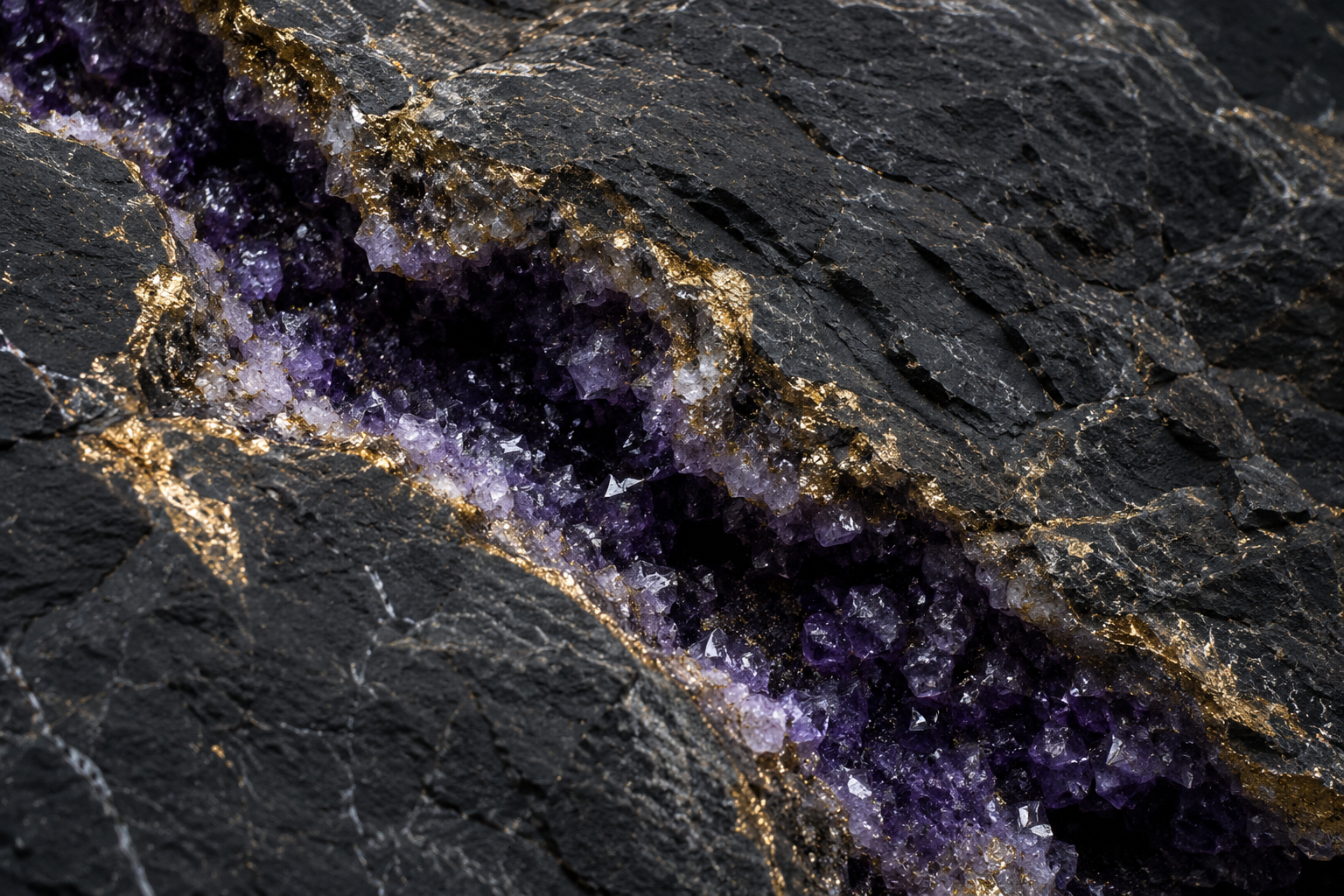
The motherlode is the richest source in mining. The deep, fertile vein running through the mountain. It is the place where the greatest treasure is buried.
It is also the mother load: the weight we carry as daughters, as mothers, as women, holding generations of expectation, grief, love, and longing.
And in a world that often forgets the sacred, it is also a communication. A sacred message flowing from a place of such love for us, such care for our hurts, that I struggle to put words around it.
This is a woman’s teaching, passed woman to woman, heart to heart.
It is a teaching about mothering:
about the mothers we were given,
the mothers we have tried to be,
and the mothering we still need.
It is a reminder of all the ways we are still learning to give and receive.
It is for the woman who needed someone to believe in her,
but received comparison instead of celebration,
criticism instead of encouragement.
It is for those who have given endlessly,
and for those still learning how to receive.
For those who mother children,
and those who mother communities, art, animals, partners, passions, or sacred callings.
○○○
We all carry wounds around the concept of mothering.
Every one of us has felt, at some point,
that our mother couldn’t give us something we deeply needed.
Whether it was protection, encouragement, tenderness, presence,
or simply to be understood.
And we fear that we too have fallen short.
That despite all our love, our children will carry their own wounds, unintentionally inflicted,
or that we will never fully become the women we were meant to be.
Because being a mother doesn’t come with a perfect map.
It’s a path we walk while still learning how to love.
Understanding can help us accept what was and what wasn’t. When we understand, we begin to heal. But what if healing didn’t stop at acceptance?
What if we realized:
Every one of our mother needs doesn't have to be met by our biological mother.
We don't need one human to carry the weight of all of our expectations and needs.
What if we understood that the need itself is sacred, and still worthy of being met?
What if acceptance didn’t have to mean loss?
What if unmet needs didn’t have to become empty spaces we spend a lifetime trying to fill?
Our wounds don't just live in the past—
they shape the stories we tell ourselves,
the love we believe we deserve,
the boundaries we set, or fail to hold.
They inform our choices,
color our expectations,
and sometimes build walls where bridges were needed.
But when we bring them into the light—
with gentleness and truth—
they can become teachers instead of tyrants.
They can show us where love is still needed,
and how to offer it with more awareness, not just to others, but to ourselves.
There is a deep ache that lives in the hearts of many women—
the ache of never being the priority.
Of always holding space, but rarely being held.
Of learning, in subtle and painful ways,
that their needs could wait,
their desires were too much,
their presence, optional.
And sometimes, what we were never taught can still be learned by witnessing another woman live it.
Some of us have been blessed to witness a woman who broke that pattern—
who stood in her truth, claimed her worth,
and showed us what it looks like to choose yourself
without apology.
That woman becomes a living reminder:
That we are not here to be an afterthought in our own lives.
That being your own priority isn’t selfish—
it’s sacred.
And that every time we choose ourselves with love,
we teach the world how to treat us.
What if we are becoming the women we were always meant to be—
not despite our wounds, but through them.
What if mothering isn’t a role, but a way of being:
nurturing, fierce, creative, life-giving, and wise.
There is a deep vein of strength that runs through all women.
What if we could turn toward the women around us—
the sisters, the elders, the friends who walk beside us—
and see in them the medicine
we didn’t know we were still allowed to receive?
If your mother didn’t teach you how to speak your truth,
maybe you know a woman who walks boldly in hers.
If you weren’t given tenderness,
maybe you have a friend who nurtures with open arms.
If you were left over-giving and exhausted,
maybe someone in your life models radiant, unwavering boundaries.
If your wound whispers that you are too much, or not enough,
maybe there is a woman with love in her eyes,
holding up a mirror that shows you were always,
exactly, enough.
If you felt unseen or like a burden,
maybe there is a tribe of women who rejoice in your authentic presence.
If what you needed was someone to believe in you,
but you were met instead with criticism, comparison, or doubt—
maybe there is a woman in your circle who sees your light
and reflects it back to you without hesitation.
A woman who reminds you that you are not too late, not too far behind—
that you were always meant to rise.
If you lacked safety—
if the ground beneath you was never steady—
maybe you have a sister who has become your shelter.
The one who holds space when the storm hits,
who reminds you that you are safe now.
That your feelings are not too much.
That your presence is welcome.
That you are home.
And maybe, in some ways,
we can offer ourselves the mothering we needed
in the way we needed to receive it.
To soothe the parts of us that still ache.
To speak kindly to the child within.
To stand beside her with fierce devotion.
To say: You matter. You always did.
We weren’t meant to do this alone.
Mothering is a communal act. It has always been so.
So this becomes a chance to reweave the net of care.
And when we gather those pieces with reverence—
when we let love flow in through unexpected doors—
maybe we can look back at our own mothers
and see them not as parents who failed,
but as women who tried.
Women who, like us,
were flawed. And still enough.
Then forgiveness comes from a higher place— because it isn’t compromised by loss or colored with a sense of unmet longing.
Perhaps this is the true motherlode: not a single perfect source of love, but the deep vein of care running beneath us and between us.
A rich seam of understanding and support flowing generously through any community of women, always available to be mined when we are in need, and replenished by mutual concern, gratitude, and our fierce love for one another.
This is how we do the true work of healing. It flows backward and forward, generation to generation. Mother to daughter, daughter to mother.
May the ache of these wounds end here, with us.
And so it is.
To Support the Work
Lineage | Alterative Ally
Blood • Bone • Memory.
A daily botanical ally for the long work of tending what we carry, what we inherit, and what we choose to transform.
