Meet Calea
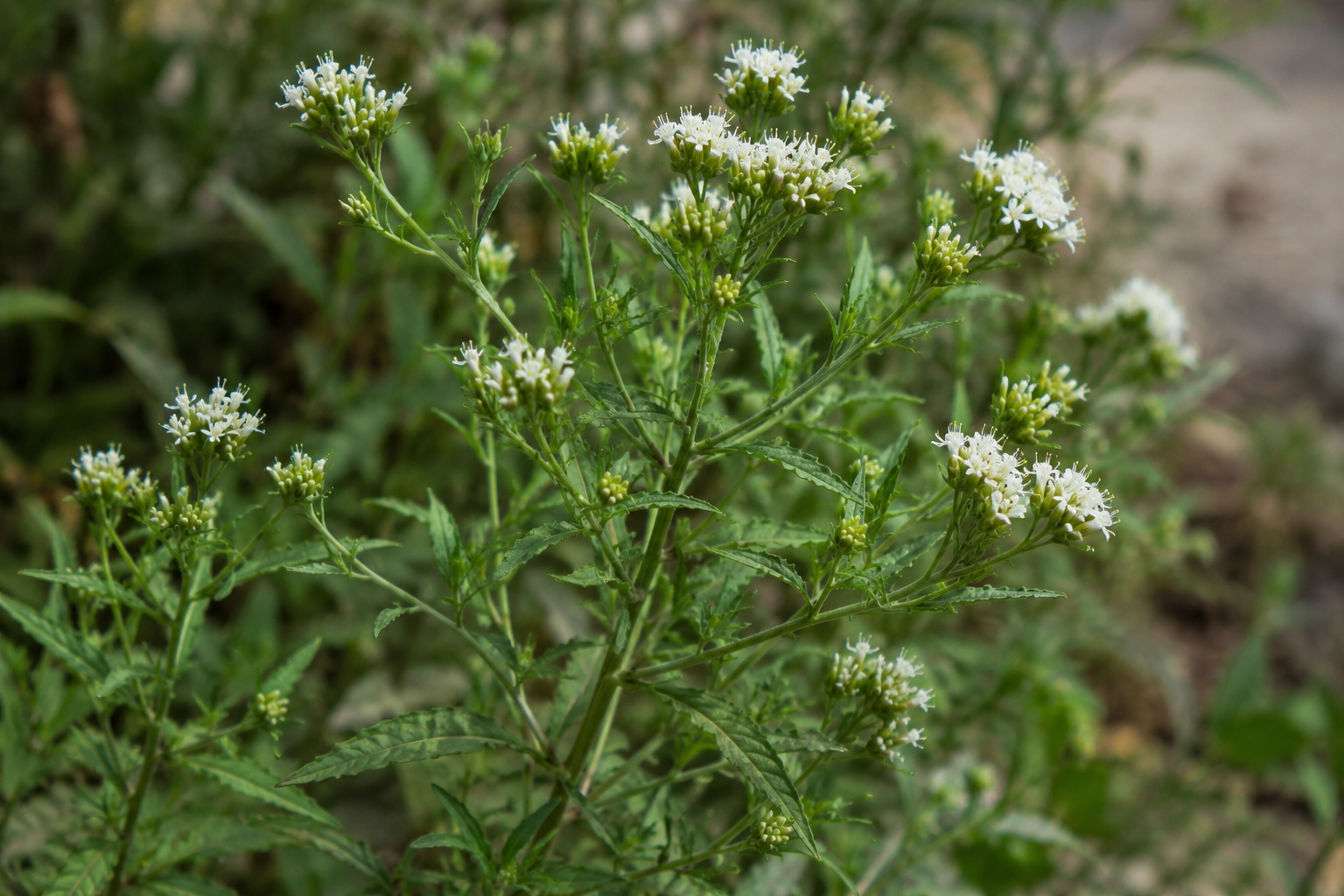
Plant Ally Profile
Calea zacatechichi
Dreams • Thresholds • Intuition • Symbol • Inner Guidance
The Plant That Walks Two Worlds
Calea travels the well-worn path between the waking world and the world of dreams. For centuries, she has accompanied those seeking guidance, insight, and the quiet wisdom that often arrives after our eyes have closed.
Native to southern Mexico and Central America, this intensely bitter member of the Asteraceae family has long been revered by the Chontal people of Oaxaca. Commonly known as Mexican Dream Herb, Bitter Grass, or Zacatechichi, she was traditionally prepared as a tea and smoke before sleep to invite meaningful dreams and receive answers through the symbolic language of the unconscious.
In this tradition, dreams are not viewed as fantasy, but as another way of knowing...a place where illness, uncertainty, and life's deeper questions could be approached from a different perspective.
Modern science is beginning to illuminate what traditional wisdom has long understood. Rather than behaving like a conventional sedative, Calea appears to gently influence the threshold between wakefulness and sleep. Human studies have demonstrated increases in dream recall, hypnagogic imagery, and the vividness of dream experience, while more recent research suggests she may support emotional well-being, reduce anxiety, and subtly influence the architecture of sleep itself.
Yet Calea asks for something in return.
She is unapologetically bitter, a taste long associated in traditional herbalism with awakening digestion, perception, and discernment. Her medicine is less about escaping reality than learning to evaluate it from another direction.
She teaches that consciousness does not end when we fall asleep. It just begins speaking a different language.
How to Work With This Ally
Calea is best approached with curiosity and an open mind. While she is often associated with lucid dreaming, her greatest gift may be cultivating a richer relationship with dreams themselves...their symbols, emotions, patterns, and quiet teachings.
Traditionally, Calea is prepared as a tea, though she is famously, unapologetically bitter. We find tinctures a more enjoyable way to build a relationship with this ally while still honoring her remarkable gifts.
We recommend pairing her with journaling, meditation, or a clear intention for the night ahead. Keeping a notebook nearby upon waking helps capture the fleeting images and impressions that often dissolve within minutes.
Her effects are often subtle at first. Calea rewards consistency, patience, and attentive listening.
Within the Plant Alchemy Apothecary, Calea appears in DreamWeaver, where she forms the foundation of a formula crafted to support conscious dreaming, symbolic exploration, and meaningful encounters with the inner landscape.
Plant Profile
Botanical Name:Calea zacatechichi
Family: Asteraceae
Parts Used: Primarily aerial parts including leaves and flowering tops
Energetics: Bitter • Cooling • Drying • Descending
Primary Actions: Bitter tonic • Oneirogen • Mild nervine • Digestive bitter • Cholagogue
Traditional Uses: Dream incubation • Sleep support • Divination • Digestive support • Appetite stimulation • Dysentery • Fever • Mild analgesic
Modern Research: Human and animal studies suggest potential effects on dream recall, hypnagogic imagery, sleep architecture, anxiety, mood, inflammatory pathways, pain perception, gastrointestinal function, and antimicrobial activity. Several sesquiterpene lactones have also demonstrated antileishmanial activity in laboratory studies, though many of these applications remain preliminary.
Notable Constituents: Germacranolides • Sesquiterpene lactones • Chlorogenic acid • Acacetin • Rutin • Luteolin • Flavonoids
Plant Themes: Threshold • Dreams • Intuition • Symbol • Inner Guidance • Remembering • Liminal Awareness
Esoteric Correspondences
☾ Moon • ♆ Neptune
🜄 Water • 🜁 Air
Dreaming • Divination • Intuition • Liminality • Vision • Memory
Applications
Dream incubation • Meditation • Dream journaling • Symbolic work • Personal reflection • Emotional integration • Threshold practices
Plant Teaching: “Wisdom speaks many languages.”
Species Note
Several closely related species are sometimes referred to as "Dream Herb," but this profile focuses on Calea zacatechichi, the species traditionally used by the Chontal people of Oaxaca and the one most frequently studied in the scientific literature.
References
Bork, P. M., Schmitz, M. L., Kuhnt, M., Escher, C., & Heinrich, M. (1997). Sesquiterpene lactone containing Mexican Indian medicinal plants and their inhibitory effects on transcription factor NF-κB. Journal of Ethnopharmacology.
Cruz-Aguilar, M. A., Estrada-Reyes, R., Martinez-Mota, L., et al. (2021). Calea zacatechichi Schltdl. (Compositae) produces anxiolytic- and antidepressant-like effects and increases hippocampal activity during REM sleep in rodents. Journal of Ethnopharmacology, 265, 113316.
Mayagoitia, L., Díaz, J. L., & Contreras, C. M. (1986). Psychopharmacologic analysis of an alleged oneirogenic plant: Calea zacatechichi.Journal of Ethnopharmacology, 18(3), 229-243.
Quiñonez-Bastidas, G. N., & Navarrete, A. (2021). Mexican Plants and Derivates Compounds as Alternative for Inflammatory and Neuropathic Pain Treatment: A Review.Plants, 10(5), 865.
Sałaga, M., Fichna, J., Socała, K., et al. (2016). Neuropharmacological characterization of the oneirogenic Mexican plant Calea zacatechichi aqueous extract in mice.Metabolic Brain Disease, 31, 631-641.
Wu, H., Fronczek, F. R., Burandt, C. L. Jr., & Zjawiony, J. K. (2011). Antileishmanial Germacranolides from Calea zacatechichi.Planta Medica, 77(7), 749-753.
